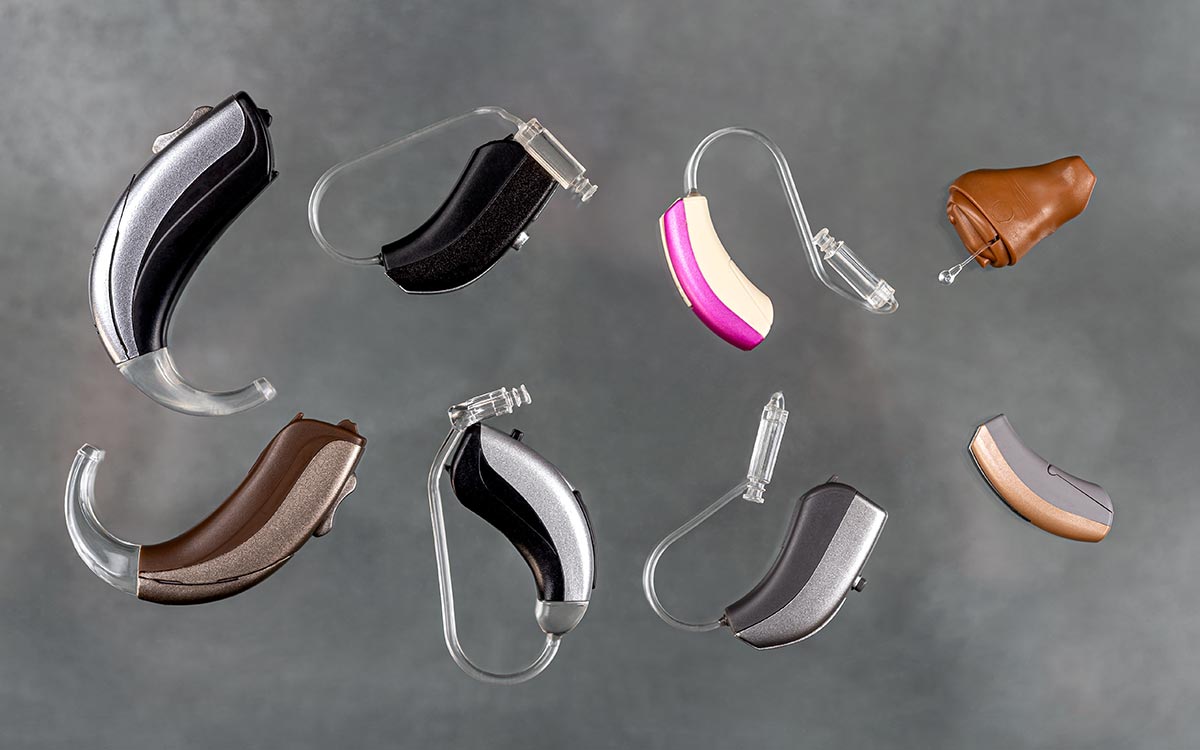
With so many options in terms of size, style, and technology, the process of picking an instrument can feel quite intense. However, a specialized hearing solution exists for every person’s singular needs and daily habits. It’s just an issue of locating it!
Feeling positive about your selection begins with knowing how different hearing aids function and compare. Today, we’re summarizing the various hearing aid styles and what makes each one unique.
The ITC (In-the-Canal) Style Detailed
Basic Overview:
ITC hearing aids rest partly in the ear canal, with a small portion visible at the outer ear.
Why people choose them:
- Less noticeable than standard full-size models
- Tailored to the unique contours of your ear
- A useful option for those with moderate hearing needs
Because they offer both discretion and useful features, ITC models are an excellent pick for those new to hearing technology.
Ultra-Discreet Invisible-in-Canal (IIC) Aids
What they are:
IIC hearing aids are the tiniest custom design available. They sit deeply inside the ear canal and are virtually invisible when worn.
User Benefits:
- The best option for patients prioritizing appearance
- Strategic placement allows for a very organic listening experience
- Lightweight and easy
Because of their small stature, IIC devices typically work best for mild to moderate hearing loss and for those who prefer an almost invisible option.
Full and Half-Shell ITE Options
What they are:
A custom hearing aid fits snugly within the outer ear, available in both full-shell and half-shell configurations. They are custom-made to fit the contours of your ear.
Value Offering:
- Increased size allows for more capabilities and longer battery life
- Easier to manage for those with dexterity challenges
- Capable of providing enough power for extreme hearing needs while remaining in-the-ear
Users regularly select these models for their straightforward, single-piece construction that avoids any external wiring or tubing.
BTE (Behind-the-Ear) Essentials
Functionality:
These devices rest on the external portion of the ear’s anatomy. Audio is delivered via an ultra-fine tube or a personalized mold in the canal.
Key Strengths:
- Known for remaining exceptionally adaptable and robust
- Can be set to assist users with everything from mild to profound loss
- Offer room for advanced features and rechargeable batteries
BTE devices are an excellent option for individuals seeking reliability, ease of use, and strong amplification.
RIC (Receiver-in-Canal) Summary
Component Layout:
In a modern model, the speaker is separated from the main casing and placed inside the canal via a thin wire.
Why they are favored:
- Provides a remarkably clear and lifelike listening experience
- The ultra-thin style is both light and nearly effortless to wear
- Flexible enough to treat a broad number of hearing impairments
The combination of design and high-end functionality renders RIC models an ideal choice in the modern market.
Long-Term “Set and Forget” Hearing Aids
What they are:
These unique aids are built to stay in the ear canal for an extended period or more, managed by your hearing specialist.
User Motivations:
- Zero daily insertion or removal
- Almost invisible
- Engineering allows them to remain in the ear during all facets of daily life
Extended-wear devices are ideal for those who want an effortless approach.
Smart Hearing Aids with Bluetooth
Tech Details:
Connectivity-focused hearing aids that utilize Bluetooth to integrate with your digital life.
Modern Benefits:
- Enjoy direct audio streaming from your phone or TV right into your ears
- Allows for quick, discreet adjustments to your hearing aids through digital software
- Enhanced convenience for modern lifestyles
Bluetooth features are available across many styles, including RIC, BTE, and some ITC models.
Understanding Middle-Ear Implant Systems
Design Overview:
An operatively implanted device that directly vibrates the middle ear bones to amplify sound.
Who they are for:
- Provides an answer for patients with anatomy that prevents the use of conventional aids
- Solves the issue of canal discomfort caused by regular hearing aids
Middle-ear implants are usually recommended only after a full evaluation by an ENT specialist.
Finding the Hearing Aid That Fits Your Lifestyle
Since each hearing aid design has unique strengths, the best choice is based on your specific hearing needs, your daily activities, and your aesthetic goals. A hearing professional is your best resource for evaluating these options and finding an ideal choice for your daily routine.
If you’re prepared to explore the possibilities, schedule an auditory evaluation today. It’s an excellent first move toward better hearing and more confident communication every day.
Sources:
https://www.mayoclinic.org/diseases-conditions/hearing-loss/in-depth/hearing-aids/art-
20044116
https://www.hearinglife.com/hearing-aids/types
https://www.nidcd.nih.gov/health/hearing-aids
